11 "Faux Pas" That Are Actually Acceptable To Create With Your Coffee Machine Drip


How to Prevent Coffee Machine Dribble
With a drip coffee maker you can make anything from one cup up to a carafe by simply turning the dial. They are programmable and are easy to clean.
A drip coffeemaker drinks an entire tube of water before passing it through an heating element, and then dispenses the hot water into the filter basket.
1. Improper Filter Placement
The process of making coffee and espresso involves heating water that drips over the ground coffee that is held in the filter. The resultant coffee is served in carafes or cups. There are a variety of factors that affect the quality of this extraction, including ground coffee-to-water ratio and temperature of the water, as well as the time of brewing. It is essential that baristas understand the basics of coffee making and how these elements are interconnected to make excellent tasting coffee.
One of the most frequent reasons for a coffee machine to drip is a simple error in the process of preparing or placing the filter. When preparing a filter it's important to follow the instructions that are provided by the manufacturer in order to ensure that the filter is placed properly. If you're not sure of how to do this, it might be helpful to seek out a trained technician for help.
A blocked or clogged filter is another reason for drips. This can be caused by a variety of things such as mineral build-up, which is the reason it's important to make use of water filters that have been specifically designed for coffee machines. This can help prevent the build-up of minerals such as magnesium and chlorine that can negatively affect the taste and consistency of the coffee.
If your coffee maker is leaks dirty water, it could be due to a clogged drain line or leak in the plumbing system. It is crucial to look for blockages in the water reservoir and also to check the seals and gaseskets regularly for wear. Backflushing your machine daily will eliminate any potential issues before they develop. In addition it's a good idea have your machine regularly descaled by a professional basis, as this can aid in preventing the accumulation of minerals that can result in a blocked or damaged filter.
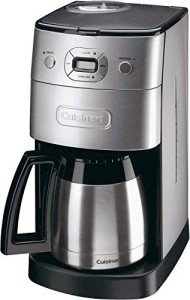
2. Clogged Filter
A blocked filter is one of the most common causes of drips from coffee machines. To prevent this, ensure that you regularly clean the filter and ensure that it's appropriately sized for the machine you have. This will decrease the risk of an overflow, which could result in costly repairs and replacements.
A too-fine grind can also cause clogged filters. This can interfere with water flow, preventing it from flowing through the filter. Try using more coarse grinds or lowering the temperature of water to solve this problem.
A clogged filter could be caused by a buildup of residue or folds within the filter, which could block the flow of water and lead to overflow. To eliminate this buildup over night you can soak the filter in a 1:1 mixture of white vinegar and distilled water. This will break down any residue and oil that may be causing overflows.
Another possible cause of an obstruction in the filter is that the lid or tabs on the filter aren't aligned. Examine the lid and filter for proper positioning and replace them if necessary.
If the issue continues you should examine the water tube of the coffee maker to ensure it's clean and allows water to flow. If this occurs regular maintenance and decaling can help prevent it. If it does happen, it is crucial to remove the water tank, inspect and clean the tube.
If the spout of your coffee maker is leaking or leaking, the drain hose could be blocked or bent. Pouring a solution dissolved in espresso cleaner or cleaning the spout with hot water can fix this issue.
3. Improper Assembly
In most cases, minor mistakes like spouts that are not aligned properly are easily rectified by a trained technician. It is crucial to check the machine regularly for proper assembly. Check that the water path and the brewing system are free of obstructions. This will help to stop leaks, and also make sure that the whole system is functioning efficiently.
Check that the spout on the front of the machine is properly aligned. If it's not, water or coffee will be forced into the door, where several electronic sensors are situated and may short out or be permanently damaged.
The same goes for detachable parts like the filter basket and the water tank. Regularly checking and removing these parts will help prevent clogs which could affect the flow of coffee and water through the machine. It's also an excellent idea to regularly grease the gasket with food-safe lubricant to ensure its functionality and extend its life.
It is also a good idea to empty and clean the grounds drawer and drip tray regularly. If the coffee maker shows an error message stating "Empty Grounds Drawer/Empty Drip Tray", it's likely that a sensor has been damaged. This can be fixed by replacing the sensor with a brand new one specifically made specifically for this model.
Lastly, always check to ensure that the appliance is plugged in and is receiving power. It may seem obvious, but it is a frequent issue that's often overlooked. If you still have problems it's recommended for you to contact the company that sold you your espresso or drip machine. They can provide you with detailed instructions over the phone on how to troubleshoot and resolve technical problems. They can also recommend an expert if they feel that your equipment is beyond repair.
4. Clogged Carafe
Over time, minerals may accumulate in the tubes and carafe of a drip coffee maker. This can adversely affect the taste and performance of the machine. The best method to avoid this is with regular cleaning and descaling. This involves filling the reservoir tank with a solution of vinegar and water, and then running a brew cycle without any coffee grounds. This allows the acid to circulate throughout the system, breaking down any mineral deposits and clogging.
A gurgling sound that occurs during making process can be a sign of a blockage in the tube that distributes the water. This could happen if the tube's lip is not the correct shape or material. It can also be a result of inadequate water temperature, hardness or other factors. A blocked tube could block water from entering the filter basket and causing it to overheat and boil and then cause a scald to your cup of coffee.
If your carafe begins look dingy, clean it using warm, soapy water and baking soda. You can use plain white rice to take off tough stains. Coffeee UK can help to loosen stubborn gunk without harsh chemicals.
While many are switching to other methods to make coffee drip machines are still a popular choice. It is simple to use and cost-effective however, it requires maintenance to ensure that the coffee ends up tasting great. To avoid damage and clogs, it is crucial to clean the drip machine regularly and store it in a safe manner. It is also vital to clean the grounds as well as the coffee residue left over after brewing, as this can aid in the growth of yeast and bacteria.
5. Clogged Warming Plate
Mineral deposits are usually the cause of a clogged coffeemaker. When water is heated, it releases some of the minerals and particles that are dissolving in it. This releases the taste of the beverage and can cause damage to the internal components of your machine. Descale your device regularly to avoid these issues, and be sure to use a descaler that is safe for your device.
If your machine is leaking water, shut it off first, then empty the reservoir or tank into the sink. This will prevent the formation of puddles under your coffee maker and creating an hazard to your safety. After that, examine the leaking area to see whether it's caused by a defective seal. If you find a defective seal, it's an easy fix and obtaining a replacement is not difficult.
If water is pooling at the bottom of your machine it could be an indication that there's an issue with the high temperature tubing inside the base. This could be because the tubes aren't properly connected, or if they have become loose over time because of constant movement and the heavy use of the device. Inspect the tubing for signs that indicate wear and tear, then replace the tubing as needed.
Your coffee machine will last for a long time if you take care of it. However, if you're not an expert in the field, or you simply want to ensure that your device is well-maintained, it's best to contact a professional for a detailed inspection and repair service. Contact Corporate Coffee Solutions for a maintenance plan that suits the requirements of your office's coffee makers.